
Visit Our Shop
Shop #43, New Jewellers Center, Somerset Street, Saddar, Karachi

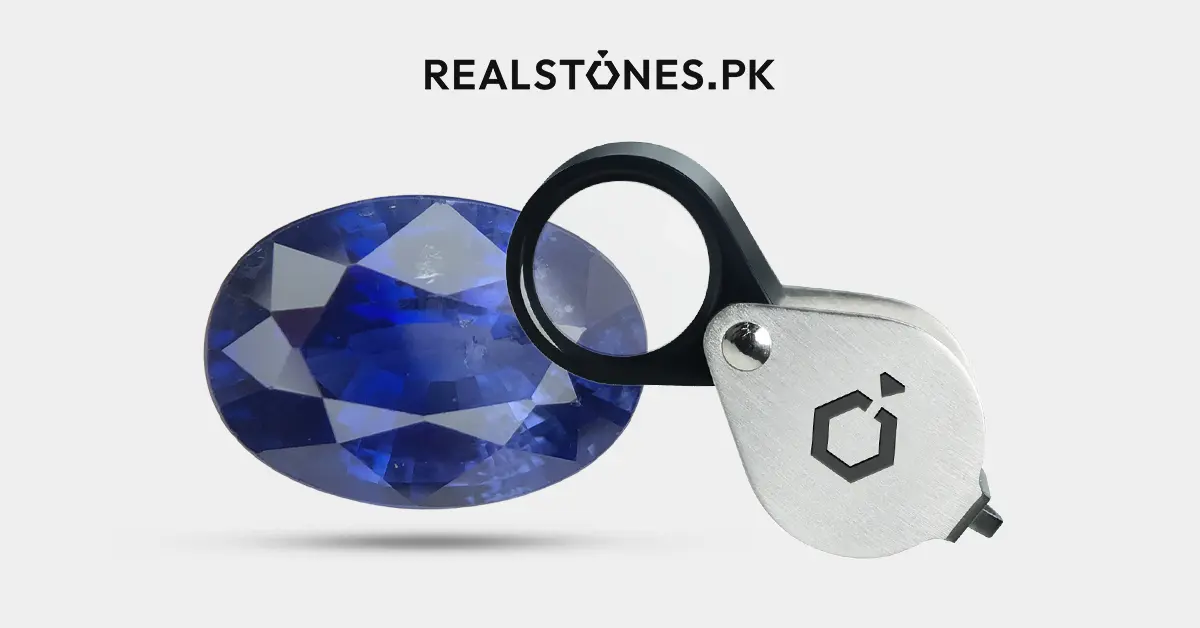
Buying gemstones can be exciting, but also a little intimidating. With so many options available online and in stores, how do you know if a gemstone is genuine or just a convincing imitation? I’ve handled gemstones for years, and I’ve learned that spotting the real from the fake isn’t magic, it’s about observing, testing, and trusting reliable sources. Here’s a simple, practical guide to help you shop smart.
Every gemstone has its own personality. Understanding its natural characteristics is the first step to spotting authenticity.
Take a few minutes to research what your chosen gemstone looks like in nature, this makes it much easier to spot a fake.
How a stone reflects light can tell you a lot about its authenticity:
Tip: Hold the gemstone under natural light and move it around. Real stones play with light in subtle, beautiful ways.
It may sound odd, but gemstones have a “feel” that fakes often lack.
This simple check is easy to do in-store or when receiving a parcel.
A jeweller’s loupe is a small investment that can save you from buying a fake.
Even a basic magnifying glass can reveal important details that are invisible to the naked eye.
If you’re spending more than a few hundred pounds, insist on certification. Certificates from recognised gemological laboratories confirm that the gemstone is genuine and give you details about its clarity, cut, and origin.
Certificates are especially important if you’re buying diamonds or coloured gemstones as an investment or for heirloom jewellery.
Finally, trust matters. Buy from reputable gemstone dealers who have clear return policies and provides transparent information about their stones. If a deal seems too good to be true, it probably is.
If you can tick most of these boxes, you’re likely holding a real gemstone.
Choosing a gemstone is a wonderful experience. With a little knowledge and careful observation, you can select a stone that is genuine, beautiful, and made to last. Every real gemstone carries its own story and unique charm, making it a treasure you can enjoy for years. With your new knowledge of gemstone identification, explore our collection of real gemstones.